New movie-going was a bit rare on the ground for me in 2011, as from the summer on I was preparing for and getting over knee replacement surgery, so those movies I saw and reviewed in the first half of 2011 seem remote now: THE KING'S SPEECH, ANOTHER YEAR, UNCLE BOONMEE, MEEK'S CUTOFF, POTICHE, HANNA, etc (2000s label) - in fact my last cinema outing was to the National Film Theatre to see a favourite, Rene Clements' KNAVE OF HEARTS (Gerard Philipe label) on the big screen with a friend back in August. Now however dvds of those movies I wanted to see like THE SKIN I LIVE IN, TREE OF LIFE, DRIVE, WEEKEND, TINKER TAILOR... etc are just starting to come available this month, so reviews on those in due course.
It has been a year of re-discoveries then, like the previous 2 years when I loved the '58 THE SEA WALL, I WAS HAPPY HERE, THAT MAN FROM RIO, Visconti's SANDRA (VAGHE STELLE D'ORSA), THE CHAPMAN REPORT, etc, as per reviews, so the main big discoveries for me this year were the Silvana Mangano ANNA (reviewed below, Mangano label) and the Belinda Lee THE LONG NIGHT OF '43 (ditto, review below), plus those first two Antonioni films on brillaint new divds: CHRONICLE OF A LOVE AFFAIR and THE LADY WITHOUT CAMELIAS (Antonioni label), De Sica's GOLD OF NAPLES (Italian/De Sica/Loren/Mangano labels), Duvivier's CHAIR DE POULE (Jean Sorel/French labels) and now Rene Clements' LES MAUDITS from 1947, along with his 1956 GERVAISE (Clement, French labels).


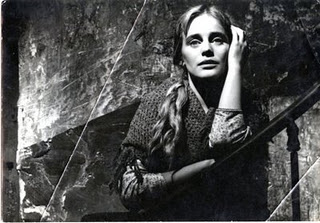
Silvana Mangano as ANNA; THE LONG NIGHT OF '43
 LES MAUDITS (THE DAMNED), 1947: Rene Clement directs an exciting U-boat drama that focuses on a group of Nazis and Nazi sympathizers fleeing in a submarine to South America as World War II draws to a close. There is one reluctant passenger, a doctor (Henri Vidal) kidnapped to tend to Florence Marly who bangs her head and falls into a temporary coma early on. She is the wife of an Italian who tolerates her openly sleeping with a German general, also on board. The ringleader of the group is a vicious, not-so-secret homosexual (Jodest) with a young companion Willy (Michel Auclair), who has his own agenda. Top billed is Marcel Dalio (just Dalio here), but he only appears briefly and has a great death scene. It's an exciting drama, nicely shot capturing the claustrophobia of the submarine - rather an old tin can one here - as the seas rage and the inmates turn on themselves. Henri Vidal was a very attractive guy too - like my other discovery Gerard Philipe he also died young (a heart attack at 40!) in 1959. He is good with Sophia Loren in the Anthony Quinn ATTILA (1954) and with Bardot in the '57 LE PARISIENNE (a treat on YouTube).


 LES MAUDITS though is another terrific Rene Clement discovery, along with the engrossing GERVAISE, and THE SEA WALL (THIS ANGRY AGE), PLEIN SOLEIL, LES FELINS, IS PARIS BURNING? etc, as per my previous posts at Rene Clement/French/Alain Delon labels. I already wrote about that favourite KNAVE OF HEARTS (MR RIPOIS) where Clement,
 five years before the New Wave, was shooting with Gerard Philipe and Joan Greenwood on the streets of London with mobile and hidden cameras. An essential French director then, before the New Wave, but not as old as those '30s masters... Henri Vidal, right.
Next discoveries will be Mangano's RISO AMARO (BITTER RICE) and a batch of Gerard Philipe films: THE CHARTERHOUSE OF PARMA, THE SCARLET AND THE BLACK, POT BOUILLE, LES FEMMES DE NUIT, FANFAN LE TULIPE, LA RONDE, LES LIAISONS DANGEREUSES ... and 2 more Antonioni rarities; plus a handful of Catherine Deneuve films!
It has been a year of re-discoveries then, like the
 previous 2 years when I loved the '58 THE SEA WALL, I WAS HAPPY HERE, THAT MAN FROM RIO, Visconti's SANDRA (VAGHE STELLE D'ORSA), THE CHAPMAN REPORT, etc, as per reviews, so the main big discoveries for me this year were the Silvana Mangano ANNA (reviewed below, Mangano label) and the Belinda Lee THE LONG NIGHT OF '43 (ditto, review below), plus those first two Antonioni films on brillaint new divds: CHRONICLE OF A LOVE AFFAIR and THE LADY WITHOUT CAMELIAS (Antonioni label), De Sica's GOLD OF NAPLES (Italian/De Sica/Loren/Mangano labels), Duvivier's CHAIR DE POULE (Jean Sorel/French labels) and now Rene Clements' LES MAUDITS from 1947, along with his 1956 GERVAISE (Clement, French labels).

Silvana Mangano as ANNA; THE LONG NIGHT OF '43
 LES MAUDITS (THE DAMNED), 1947: Rene Clement directs an exciting U-boat drama that focuses on a group of Nazis and Nazi sympathizers fleeing in a submarine to South America as World War II draws to a close. There is one reluctant passenger, a doctor (Henri Vidal) kidnapped to tend to Florence Marly who bangs her head and falls into a temporary coma early on. She is the wife of an Italian who tolerates her openly sleeping with a German general, also on board. The ringleader of the group is a vicious, not-so-secret homosexual (Jodest) with a young companion Willy (Michel Auclair), who has his own agenda. Top billed is Marcel Dalio (just Dalio here), but he only appears briefly and has a great death scene. It's an exciting drama, nicely shot capturing the claustrophobia of the submarine - rather an old tin can one here - as the seas rage and the inmates turn on themselves. Henri Vidal was a very attractive guy too - like my other discovery Gerard Philipe he also died young (a heart attack at 40!) in 1959. He is good with Sophia Loren in the Anthony Quinn ATTILA (1954) and with Bardot in the '57 LE PARISIENNE (a treat on YouTube).

 LES MAUDITS though is another terrific Rene Clement discovery, along with the engrossing GERVAISE, and THE SEA WALL (THIS ANGRY AGE), PLEIN SOLEIL, LES FELINS, IS PARIS BURNING? etc, as per my previous posts at Rene Clement/French/Alain Delon labels. I already wrote about that favourite KNAVE OF HEARTS (MR RIPOIS) where Clement,
 five years before the New Wave, was shooting with Gerard Philipe and Joan Greenwood on the streets of London with mobile and hidden cameras. An essential French director then, before the New Wave, but not as old as those '30s masters... Henri Vidal, right.
Next discoveries will be Mangano's RISO AMARO (BITTER RICE) and a batch of Gerard Philipe films: THE CHARTERHOUSE OF PARMA, THE SCARLET AND THE BLACK, POT BOUILLE, LES FEMMES DE NUIT, FANFAN LE TULIPE, LA RONDE, LES LIAISONS DANGEREUSES ... and 2 more Antonioni rarities; plus a handful of Catherine Deneuve films!