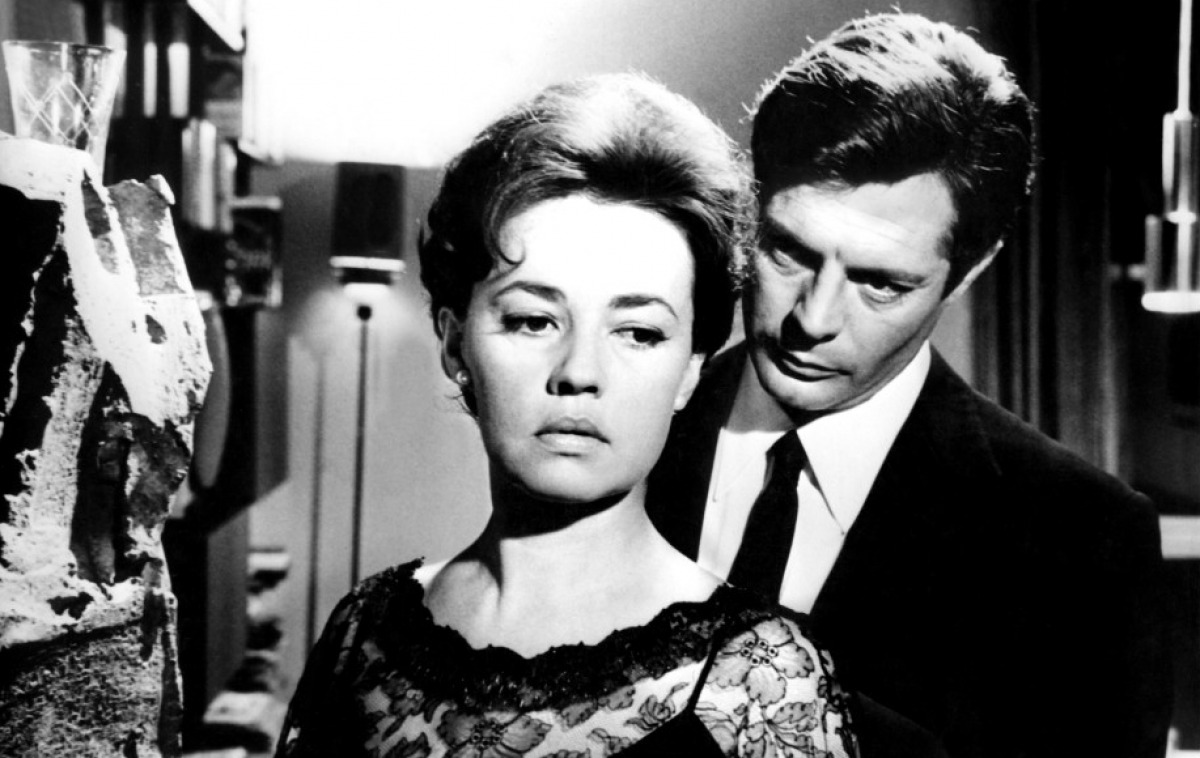
"Welsh writer Tyvian Jones (Stanley Baker) seems to have it all, 60s style: an international best seller, an apartment in Rome, holidays in Venice, a lovely fiancé Virna Lisi, but he is bitter anyway, He meets his existential match in ennui in the mod seductress Eve, played by Jeanne Moreau, who was never more cynical or iconic. Decked out in pointy pumps and heavy eyeliner, listening to Billie Holliday on scratchy LPs as she counts lire and smokes endless packs of cigarettes in strangers’ bedrooms, she is the epitome of frayed glamour. An emotional tyrant, Eve’s cruelly casual maneuvering forces Baker to confront his past – and his weaknesses – as a man and as an artist.
When the Hakim brothers (the notorious producers of PLEIN SOLEIL and BELLE DE JOUR) handed Losey a fat contract and a pulp potboiler by James Hadley Chase, Losey was sure it was his break. After years of tighly budgeted British programmers he hoped EVA would be his ticket to the glossy world of international cinema. But while Losey’s final cut was hailed by critics as equal to his masterpiece THE SERVANT, it was barely released and remains largely unseen after 30 years.Losey disowned the producers’ version, 15 minutes shorter than his own,
Losey’s original version (titled EVE) is now included on dvd, along with the Hakim’s cut. The only surviving print of the original longer version is a Swedish/Finnish release print with Swedish/Finnish subtitles and English dialogue."

Thus went the cover notes on the combinded dvd of EVE and EVA, Joseph Losey's 1962 film set mainly in a wintry Venice. Catching up with it is a fascinating experience now. Losey had done those thrillers like THE SLEEPING TIGER, TIME WITHOUT PITY and the excellent BLIND DATE in 1959 (which I like a lot, as per Losey label), and also THE CRIMINAL and that Hammer oddity THE DAMNED. EVE / EVA is his third with Stanley Baker (who would also co-star with the other Losey regular Dirk Bogarde in ACCIDENT in 1967) and Moreau was at the height of her European stardom. It seems though like a very disjointed odd film - perhaps Losey imagined he too could do an arthouse "sick soul of Europe" movie in the style of Resnais or Antonioni - then the height of intellectual cinema. EVE now though looks and plays like a parody of an early 60s arthouse flick.


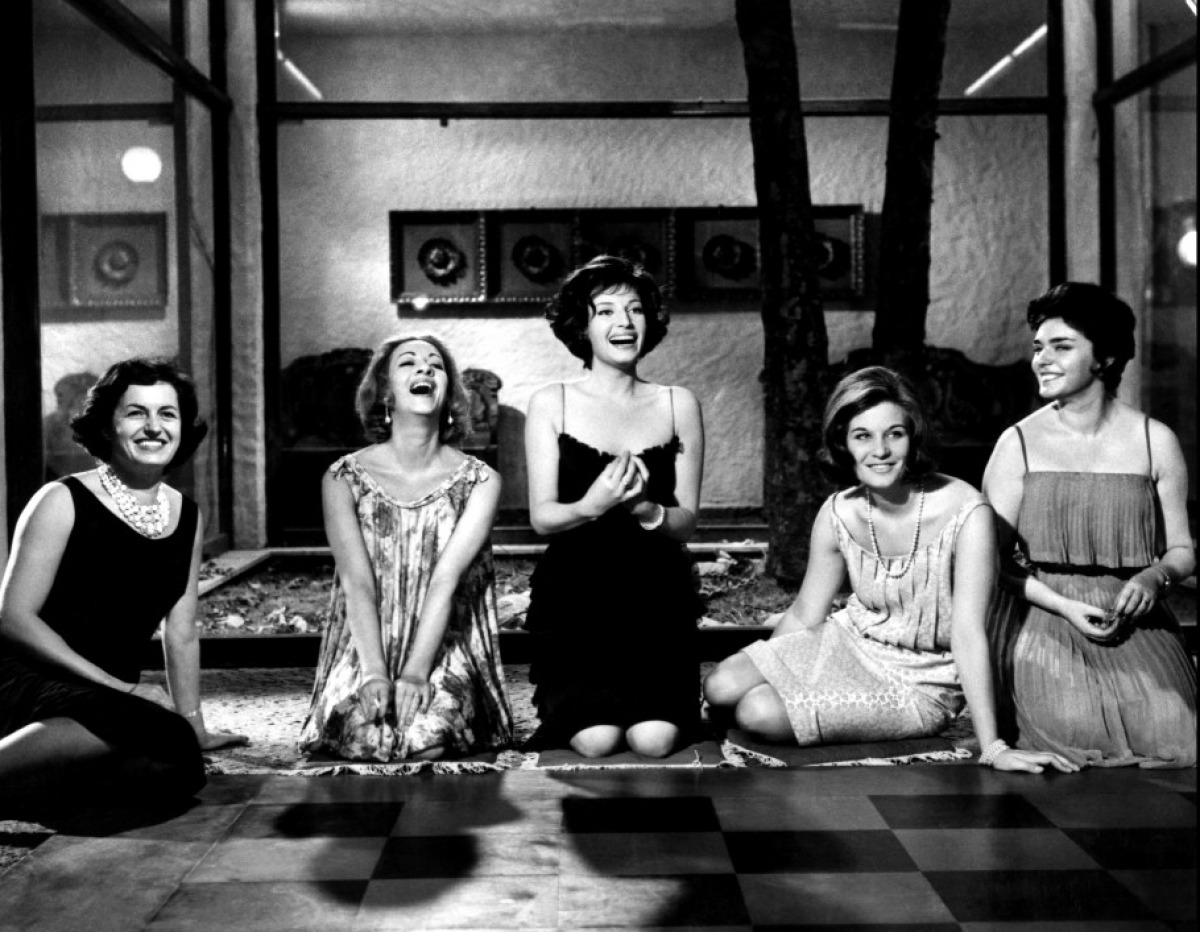
Large parts of it seem unintentionally funny, Baker glowering and occasionally hitting Moreau when she provokes him too far - there is no logical ending or conclusion to their story, as it looks like she is going to keep on humiliating him as he keeps coming back for more. One extended sequence fascinates - as Baker and we the audience watch her arrive in her hotel room, she puts on the Billie Holliday record, messes up her hair, lights a cigarette, plays with a cat and finally goes to bed ... then Baker's hands encircle her throat - we wonder briefly if this is real or a fantasy or is he going to finally kill her ... but no, on and on they go. He turns out to be a hollow man - is it really his brother's book he is passing off as his own? How many admirers does she have at all those endless casino nights? There is too a wintry funeral in Venice, anticipating Roeg's DON'T LOOK NOW a decade later. Moreau is a fully realised character in films like LA NOTTE and BAY OF ANGELS, (reviews at Antonioni and Demy labels), and in those Malle and Truffaut films, but here she is merely a cypher whom we do not get to know or understand at all. It points the way to Losey's next film though: THE SERVANT where all his themes of class and decadence would come together perfectly - lots of mirror shots here too. Later after he and Bogarde and Baker had gone as far as they could in British cinema, he teamed up with the Burtons for another pair of oddball films and thence to Europe to Delon and Romy Schneider, Montand (and Moreau again in MR KLEIN). Losey - a martinet and a sadist, according to critic Alexander Walker who knew him well - made so many interesting films which remain fascinating viewing - EVE or EVA certainly is. As I relate in other posts on him, I saw him and the Burtons on stage in 1970 when they were furious that SECRET CEREMONY which had been a box-office disaster had been recut and sold to television!

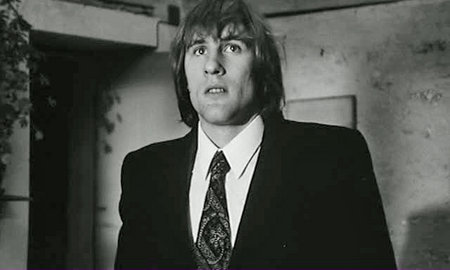
NATHALIE GRANGER - Marguerite Duras's 1975 puzzle film; to some it is a tedious boring mess, others find it a rivetting minimalist drama. I only know after watching it one remains in its unique mood for ages afterwards. It creates an atmosphere of unbearable tension, depression, grief, apprehension, as we watch two women living with some unexplained trauma, in a waiting that never ends (though the film is quite short). Something to do with the mother's anguish over a violent, abnormal daughter who is Nathalie Granger (whom we hardly see). The radio announces that the police are looking for a pair of depraved teenage boy killers on the loose in the local woods. Did they kill someone in the family? Or are they perhaps family members? Do the two women know something about these boys that the police don't? The shots suggest the house and garden is being watched ... A numbed mood separates them from the world outside in front of the house, and the equally claustrophobic garden at the back where they dully burn leaves. Great actresses are denied the opportunity to act, as they sit around staring dully into space or move from room to room in a trance. By bizarre contrast, the young Gerard Depardieu drops in as an awkward vacuum cleaner salesman who tries to sell them a hoover, as they blankly stare at him - it is like something out of Pinter or Beckett commenting on the futility of life.


Moreau - usually the protagonist in her films, seems to do nothing here, she just sits and observes and she is just titled the Other Woman - is she a friend, neighbour, lover of Lucia Bose who seems to be the owner of the house? Good to see Bose again here after catching the re-issues of those first two Antonioni features this year (
CHRONICLE OF A LOVE AFFAIR,
THE LADY WITHOUT CAMELIAS). A fascinating experiment then in what looks like real time from the ever-fascinating Marguerite Duras (author of
THE SEA WALL -
both versions of which are reviewed here, Silvana Mangano and Isabelle Huppert labels).
Below, right: Duras with Moreau (who took to directing herself with the fascinating LUMIERE in 1975).

Soon: Moreau with Gerard Philipe in Vadim's 1959
LES LIAISONS DANGEREUSES, and those other Philipe films like
THE CHARTERHOUSE OF PARMA,
THE SCARLET AND THE BLACK,
POT BOUILLE,
LES FEMMES DE NUIT,
LA RONDE,
FANFAN LA TULIPE etc; my favourite
KNAVE OF HEARTS and
LOVERS OF MONPARNASSE are reviewed at French and Gerard Philipe labels.